Practical guides for
warehouse and WMS teams.
Operational guides, frameworks, and analysis covering the most common sources of warehouse friction. From slotting and inbound flow to WMS launch readiness and inventory accuracy.
More insights
Filter by topic Outbound Optimization
Warehouse Exception Management Before Orders Miss SLA
Warehouse exception management gives aging orders an owner and SLA clock. Build a WMS order queue that catches stalled fulfillment before cutoff.
 Slotting & Storage
How to Reslot a Warehouse Without Losing Inventory Accuracy
Reslotting can cut travel and replenishment work, but only when the expected savings justify the move. The WMS and floor also have to stay in sync or the project trades labor gains for blocked picks, phantom inventory, and unexplained variance.
 Warehouse Flow
Dock-to-Stock Time: Find Where Inbound Actually Stalls
Dock-to-stock time can hide hours of waiting between receiving steps. Use WMS timestamps to find warehouse receiving bottlenecks before adding labor.
 Automation & Integrations
WMS ERP Inventory Mismatch: How to Tell a Timing Gap From a Real Divergence
Your WMS and ERP run a clean integration and the inventory still doesn't match. Before you chase which system is right, learn to tell a timing gap from a real problem.
 Inventory Accuracy & ICQA
Your Pick Accuracy Is 99.5%. So Why Are Customers Still Getting the Wrong Item?
A 99.5% pick accuracy rate sounds excellent. But if short picks, substitutions, manual pulls, and customer-reported errors aren't part of the measurement, the number may be telling you more about WMS execution than what actually reached the customer.
 Inventory Accuracy & ICQA
Why Your Cycle Counts Aren't Fixing Your Inventory Accuracy
The cycle count program runs on schedule, the adjustments post, and inventory accuracy hasn't moved. Counting was never the broken part. Here's how to read variance fingerprints and fix the process that keeps feeding the errors.
 Automation & Integrations
Before You Buy Warehouse Automation: What to Actually Evaluate First
Most automation evaluation focuses on comparing vendor features. But the questions that determine whether automation actually pays for itself, like process stability, SKU profile fit, WMS integration readiness, and total cost beyond the hardware quote, get asked too late or not at all. Here's what to evaluate before the purchase order goes out.
 WMS Launch & Migration
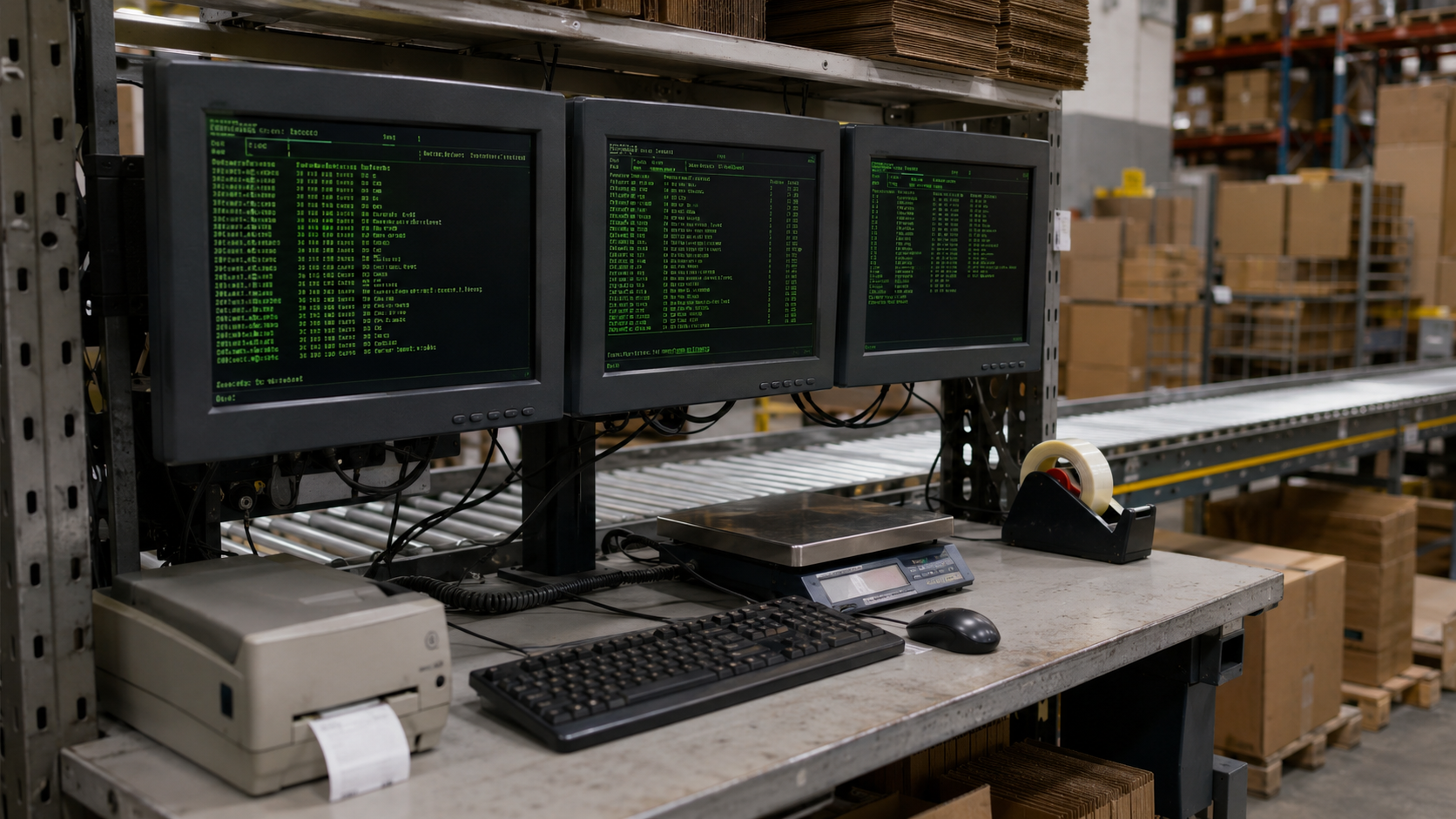
6 Signs You've Outgrown Your WMS (and 3 Signs You Just Need Better Config)
Six signs you need a new WMS, three signs you just need better configuration. How to tell the difference before you spend on the wrong fix.
 WMS Launch & Migration
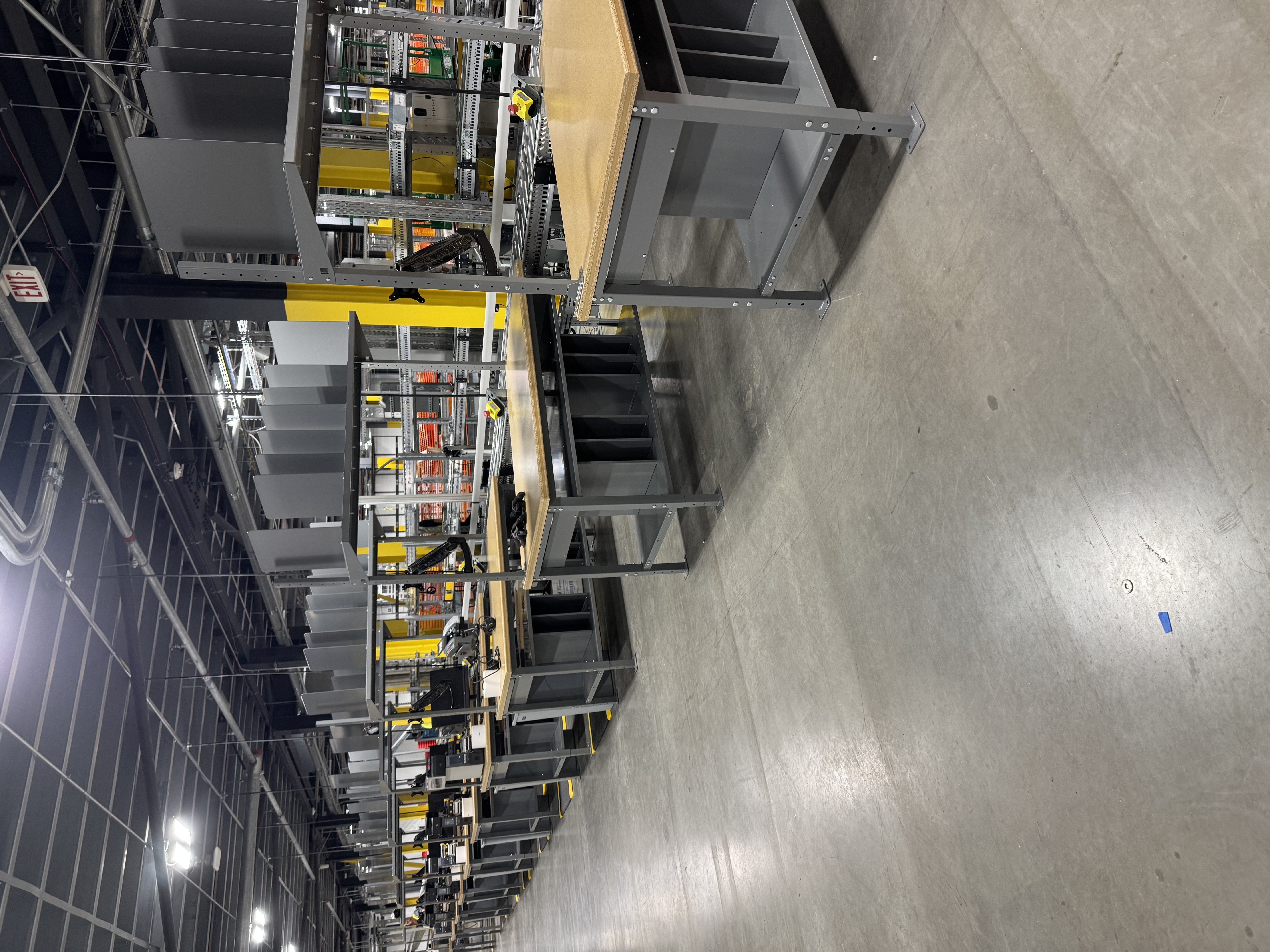
WMS Migration: In-House vs Consultant — What Actually Costs More
Comparing consultant fees to internal salaries misses where WMS migration costs actually accumulate. Timeline slips, post-go-live firefighting, and configuration errors that take months to surface routinely outrun the consulting line, sometimes by a factor of two. Here's how to evaluate the real cost of in-house versus consultant-supported migration.
 WMS Launch & Migration
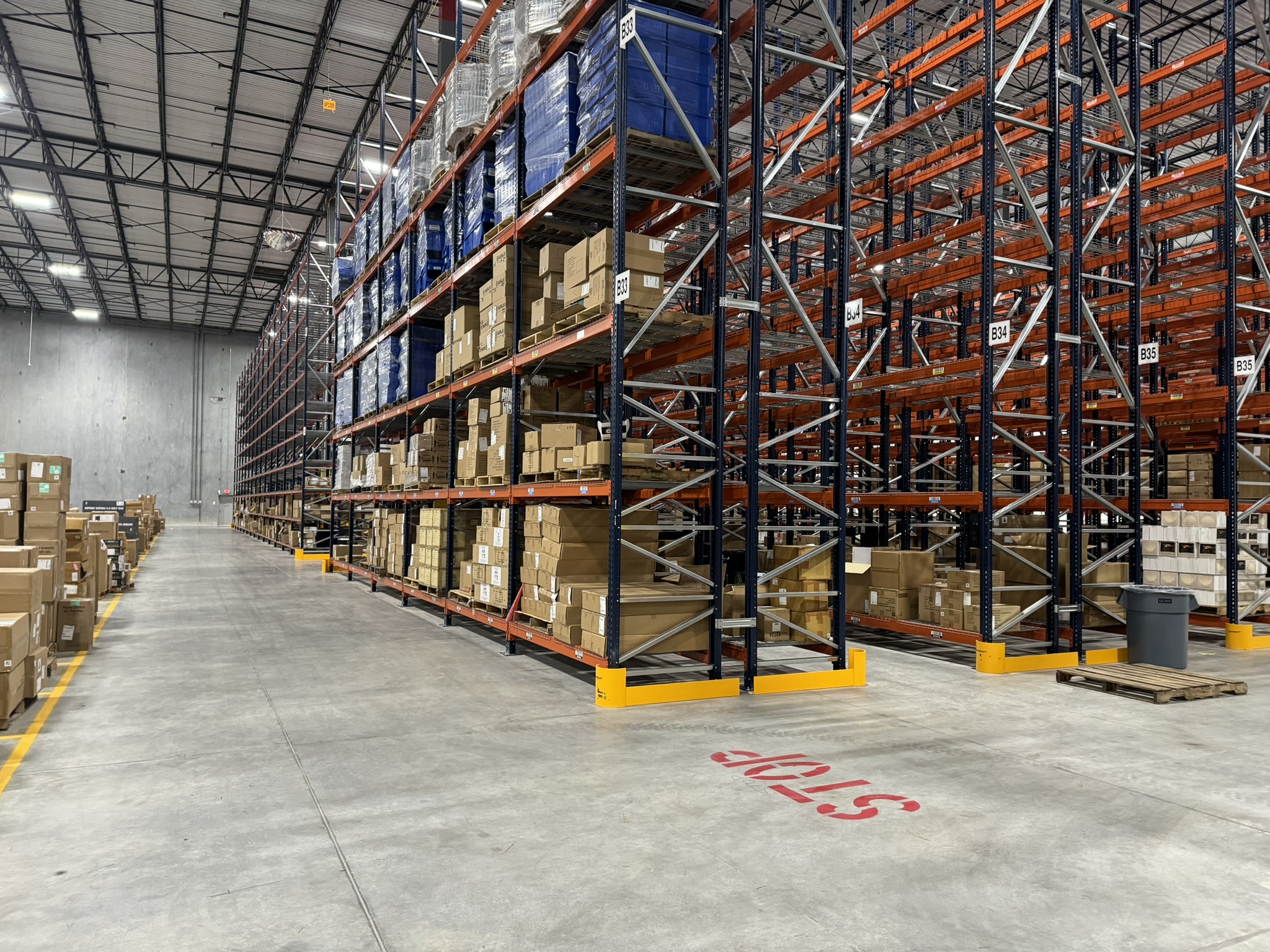
WMS UAT Test Cases: The Complete Warehouse User Acceptance Testing Checklist
Most WMS UAT scripts test whether software functions work. They don't test whether the operation runs under real volume, concurrency, and exception conditions. This guide covers the test cases that surface go-live risk, organized by workflow: receiving, putaway, picking, packing, shipping, integrations, and failure recovery. Includes a downloadable workbook with 139 scenarios across 14 operational areas.
 Dashboards & Visibility
Your Shift Started Strong. The Recap Still Shows a Miss. Where Did the Minutes Go?
Your shift started strong and still missed target. The end-of-shift recap runs on memory and gut feel, not on the specific 15-minute windows where minutes actually evaporated. Here's what changes when you can see the floor in time to act on it.
 Warehouse Flow
WMS Overrides: Are You Fixing Problems or Hiding Them?
Every warehouse runs on WMS overrides. A supervisor redirects a putaway, a lead pulls orders out of a wave, a picker grabs from a different slot. Sometimes that's the right call. But when the same overrides keep happening and nobody asks why, the operation is quietly drifting away from the system. Here's how to read your override data as a diagnostic and spot the configuration problems hiding behind good floor judgment.
 Slotting & Storage
Why Your Slotting Strategy From Last Year Is Costing You Pick Rate Today
Most warehouses slotted once and moved on. But SKU velocity shifts constantly, and your WMS keeps routing putaway based on classifications that stopped being accurate months ago. Pickers walk further, rates drop, and no one changed a thing. Here's how slotting decay happens, the symptoms it produces, and how to catch it before it erodes your throughput.
 Dashboards & Visibility
How to Read a WMS Labor Report Without Getting Misled by It
WMS labor reports look comprehensive. They are often measuring something different from what you think. Pick rate, direct labor, and idle time are all defined by configuration choices that were made at go-live — and rarely reviewed since. Here is how to audit what your report is actually capturing before you act on the gap.
 Warehouse Flow
The Most Common Putaway Errors and Where They Actually Start
When inventory ends up in the wrong location, the first instinct is to look at the associate who put it there. But most putaway errors trace back to one of four places: the label printed at receipt, the LPN record created in the WMS, the location attributes the system is routing against, or the directed putaway rules themselves. Fixing the scanning behavior at the end of that chain doesn't address any of those four.
 WMS Launch & Migration
WMS Selection: The Operational Questions Vendors Never Put in the Demo
WMS demos show you the best-case workflow. They don't show you what happens when an LPN exception fires mid-receiving or a high-velocity SKU runs dry during a wave. The questions that reveal how a system actually handles operational edge cases are rarely on any RFP.
Outbound OptimizationWave Release Timing: Why Your Outbound Labor Is Always Mis-Staged
Wave release timing determines when labor demand spikes hit your floor. When waves are too large or too early, you get queue buildups at pack while pick zones idle. When they're too small or too late, you miss carrier cutoff. Here's how wave design decisions drive the labor misalignment most operations mistake for a staffing problem.
 Inventory Accuracy & ICQA
How to Build a Cycle Count Program That Actually Fixes Inventory
Most cycle count programs run on a calendar schedule and count every location at roughly the same frequency. The problem is that inventory error does not distribute evenly across locations — it concentrates. Here is how to build a count program around where error actually originates.
 WMS Launch & Migration
3PL Client Onboarding: What the First 30 Days Actually Requires
Most 3PL onboarding failures don't happen at go-live. They happen in the 30 days before it, when data templates, billing logic, and receiving workflows quietly go untested. Here is what needs to be locked in before day one.
 Slotting & Storage
How Smart Slotting Reduces Travel Time and Improves WMS Execution
Slotting problems usually show up as labor problems. High travel times, missed SLAs, and pick rate complaints are often traced back to where product is stored, not how fast pickers are moving. Here is how to diagnose slotting friction and fix it in a way your WMS can actually execute.
 WMS Launch & Migration
WMS Migration Readiness: What System Sign-Off Misses
Your system is configured, UAT is complete, and the vendor says you are ready to go live. But system readiness and operational readiness are not the same thing. The gap between them is where most launches break.
 Inventory Accuracy & ICQA
How Exception Aging Destroys Inventory Accuracy Over Time
Open WMS exceptions do not just sit there. They compound. Every unresolved receiving discrepancy, every skipped confirmation, every aging manifest issue becomes a potential inventory error waiting to surface at the worst possible moment.
Dashboards & VisibilityWarehouse Dashboards That Operators Actually Use
Most warehouse dashboards are built for reporting, not operations. They tell you what happened yesterday. The dashboards that actually change behavior show supervisors what is happening right now, and what needs to change before the shift ends.
 Warehouse Flow
Why Inbound Receiving Errors Are a Downstream Problem
Short picks, inventory discrepancies, and putaway backlogs are almost always diagnosed at the point they surface, not where they start. Most of the time, they start at the dock door.