
Pull billing from activity data
We built an automated pull from the WMS and the client's data warehouse. It produces a mid-month report and a month-end file for each brand, and the same numbers appear in the client's billing dashboard.
Project snapshot 04 · 3PL billing
The client couldn't check what its warehouse partner billed.
We built billing files from the client's own activity data, priced them against the partner's rate cards, and compared the result line by line. The comparison found work left off the bills and partner charges that needed a second look.
Client, partner, and brand details are generalized for confidentiality, and dollar figures are rounded. Charges still under review with the partner are labeled pending and aren't counted as recovered.
Project context
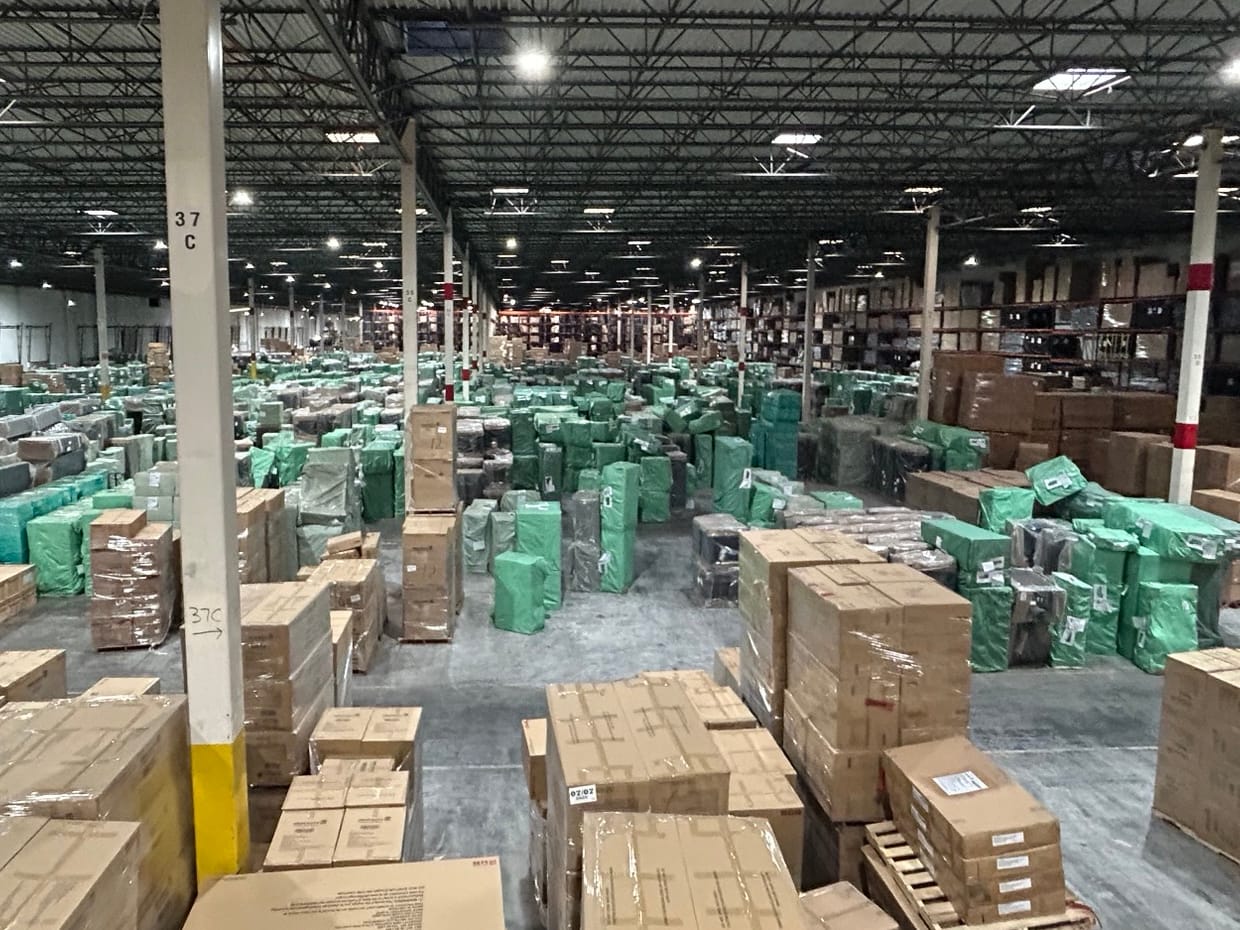
The client runs fulfillment for consumer brands through third-party warehouse operators. Its operations lead described three live partner relationships with the same gap. Each partner sent an invoice, and the client had no working way to check it against the work done on the floor.
We took on that gap for the largest partner, starting with two brands at two sites. The goal was a billing file the client could build from its own data and compare to the partner's invoice, line by line.
Who this is for
The challenge
Billing ran on a hand-maintained sheet. When the sheet and the invoice disagreed, no one could say which matched the floor, and some of the gaps ran into the tens of thousands of dollars.
What we built
The month-end close had been a hand-built sheet. Now it's a repeatable run. Each step below closed a gap that had already cost money or could have.
Twice a month. A mid-month report gives an early read on each brand. The month-end file goes to the partner with line-level backup.
We built an automated pull from the WMS and the client's data warehouse. It produces a mid-month report and a month-end file for each brand, and the same numbers appear in the client's billing dashboard.
We mapped the rate cards to the activity data. At the larger site, 10 of 22 rate-card lines carry a data measure, including unload tiers, pallet handling, case and pallet picks, labeling, and storage. Lines the data can't see stay marked “from the partner's invoice” and are never estimated.
The partner charges each shipment once, at final counts, so the process does too. Shipments without charge lines go on a Not Yet Counted tab. A log of every file sent to the partner is checked before the next file goes out.
Differences that had cost money before became automated checks. One example is delivered shipments with no ship date. The nightly charge job had billed them only once, in a one-off catch-up run. The check now flags new ones as they appear.
Each month-end file goes to the partner with line-level backup tabs. The partner's billing team can trace any total to the activity behind it.
What the comparison showed
Comparing the automated files to the billing sheet and the partner's invoices turned up gaps in both directions. Some were confirmed and corrected. Others depend on the partner's records or the contract, so they're shown as pending.
About $69K of first-month storage was missing from the billing sheet's grand total. The client's billing analyst corrected the summary.
38 orders from a closed month shipped after its outbound was pulled, worth about $8K that wasn't in the file. A Late Shipments tab now carries them into the next file.
One inbound order was charged in two months for all of its pallets, about $1.2K over. The charges were corrected before the partner billed from the sheet.
The partner billed about 1,300 pallets in one month against roughly 2,300 received, then billed the next month well over. Across both months the invoices ran about $1.8K above what the data supports. The partner's billing team is reconciling.
One brand's monthly inbound included about $47K of case-receiving charges on floor-loaded cartons. The client's reading is that the floor-load fee already covers unloading, receiving, and putaway. That line stays tied to the partner's invoice until both sides agree.
The WMS records carton build and stretch wrap at $0, and neither is on the site's rate card. If the partner applied its general per-package rate, one month's count would come to about $33K. What counts as carton build is still unconfirmed.
What changed
The client now builds each brand's billing from its own activity data, twice a month. The partner receives the backup behind every total. The first automated month-end came to about $320K across both brands. Building it found about $77K of work missing from the billing files and about $50K in partner charges worth questioning.
Storage left out of a billing total and outbound that shipped after the month's pull were added back to billing.
A double count was corrected before billing. An invoice variance and a disputed receiving charge are with the partner.
Mid-month reports and month-end files build from the same data, with checks on the differences that have cost money before.
Figures are rounded. About $49K of the flagged charges were still under review with the partner at the time of writing, and they aren't counted as recovered. The carton-build exposure is shown for context and isn't included in any total.