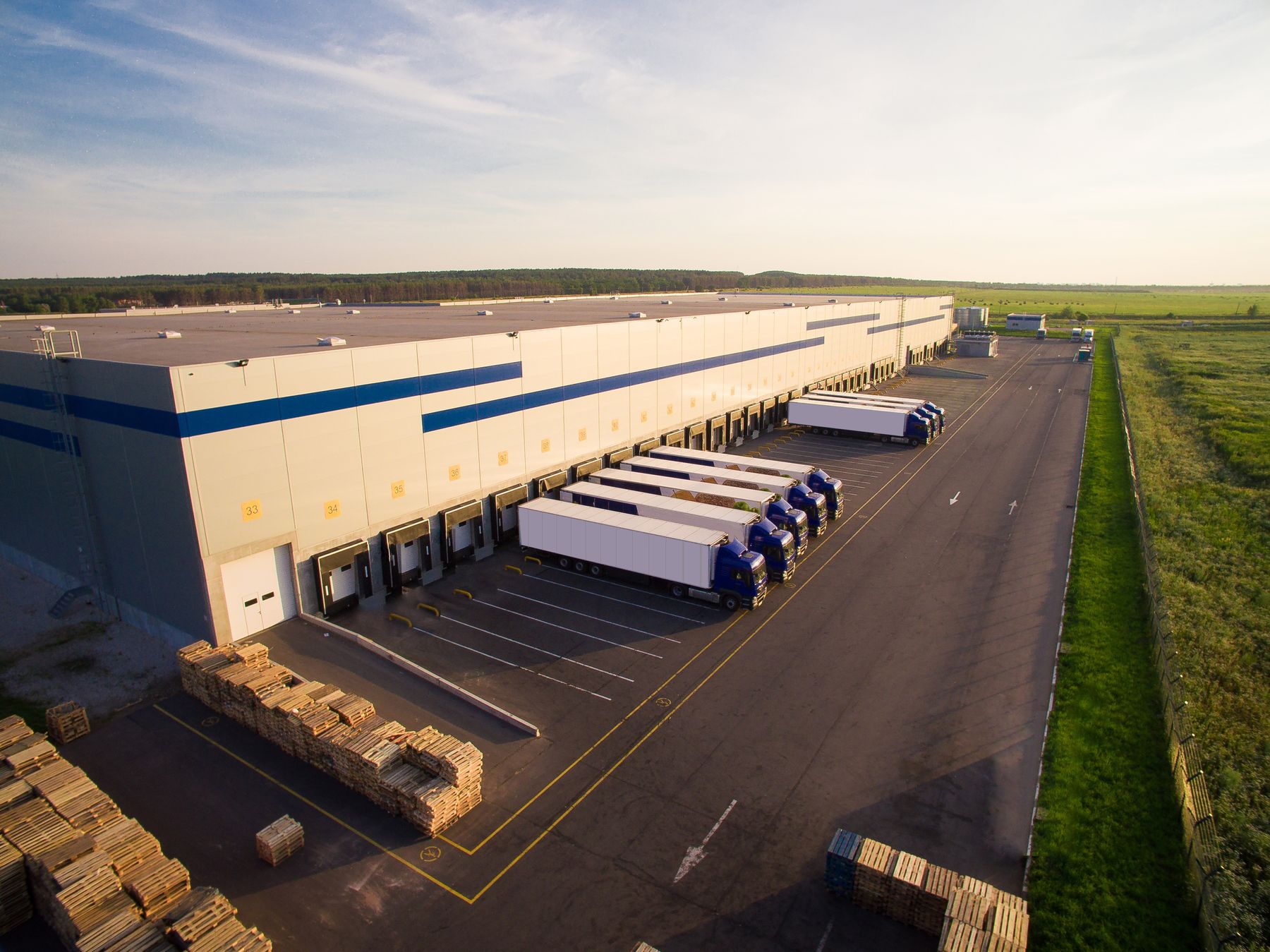
Fix the flow from dock door to storage location.
Receiving. Putaway. Put path design. Staging visibility. ASN, PO, and manifest issues. Storage constraints. Inbound exception handling.
Inbound and putaway errors compound downstream. Short picks, inventory discrepancies, and staging backlogs almost always trace back to receiving exceptions, skipped confirmations, or misaligned putaway logic. Optichain reviews the full inbound flow to find where product is getting lost, delayed, or mishandled before it ever reaches a pick face.
Built for warehouse teams that already feel the pressure.
- Operations teams whose inventory accuracy issues start at the dock door but show up in picking.
- Sites with persistent staging backlog or putaway aging issues.
- Teams running inbound flows with ASRS, conveyors, or sorters that need workflow alignment.
- Warehouses where receiving exceptions sit untriaged for hours or days.
The friction this work is designed to clear.
- Receiving discrepancies that surface as inventory errors a week later.
- Putaway aging without ownership, alerting, or aging visibility.
- Operators bypassing directed putaway because the directed location does not work.
- Staging areas that never fully clear during the shift.
- ASN, PO, and manifest issues that quietly degrade inbound accuracy.
The work, broken down.
Receiving Workflow Review
Inbound accuracy, carrier check-in, dock assignment, product identification, quantity capture, and receiving exception handling.
Put Path Design
Directed putaway logic, bin assignment, zone routing, storage confirmation, and putaway workflow corrections.
Staging & Backlog Visibility
Dock-to-stock timing, staging queue aging, and putaway aging dashboards that surface where product is sitting.
ASN, PO & Manifest Issue Workflows
Triage and resolution paths for ASN mismatches, PO discrepancies, and carrier manifest issues that distort inbound counts.
Storage Constraint Review
Slot configuration, rack types, bin sizing, and product fit. Reduce damage, unnecessary handling, and storage-driven exceptions.
Slotting Strategy (Inbound View)
Velocity-aware initial slot decisions and seasonal slotting adjustments tied to actual demand patterns.
Inbound Exception Handling
Categorize exception types, define ownership, and design resolution workflows that close the loop instead of aging.
ASRS & Conveyor Inbound Flow
Workflow review for ASRS and conveyor systems on the inbound side. Identify where the integration breaks the flow.
What you receive.
Practical artifacts. Built to be used during shift, in stand-up, or in the room with a vendor.
Current-state map, target-state map, and the SOP updates needed to close the gap. Tied to WMS configuration where applicable.
- Current vs. target state
- SOP updates
- Configuration changes
Dock-to-stock, staging aging, putaway aging, and exception-by-type views with the data sources and KPI definitions to build them.
- KPI definitions
- Data source mapping
- Operational layout
Exception taxonomy, ownership rules, escalation paths, and aging thresholds. Built to close exceptions, not just track them.
- Exception taxonomy
- Ownership & escalation
- Aging thresholds
Where this work lives.
Optichain is vendor-agnostic. The work fits inside the systems and workflows your warehouse already runs on.
Talk through your operation.
Schedule a consultation or book a short call directly. Most first conversations clarify which work matters first.